Measure It: Length, Time and Mass in the Real World
Whose foot is the right ruler? How long is a minute, really? Is a kilogram of feathers lighter than a kilogram of rocks? Four lessons where students measure length, time and mass with real tools, then use their own data to settle an argument.
Or try any 3 lessons free with an account.
Already bought it? Download the whole unit as one printable workbook: cover, contents, curriculum connections, every lesson, readings, practice pages, a unit test and an answer key, in black and white.
4 lessons in this unit
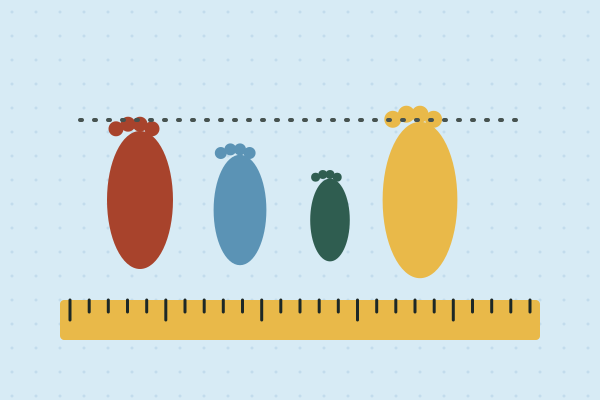 Lesson 1 · 50–60 minWhose foot is the right ruler?Teams measure the same taped line on the floor in heel-to-toe steps and get different answers, then measure it again with metre sticks and all agree. Students explain why the world needs standard units, and measure their own feet to build a class line plot.
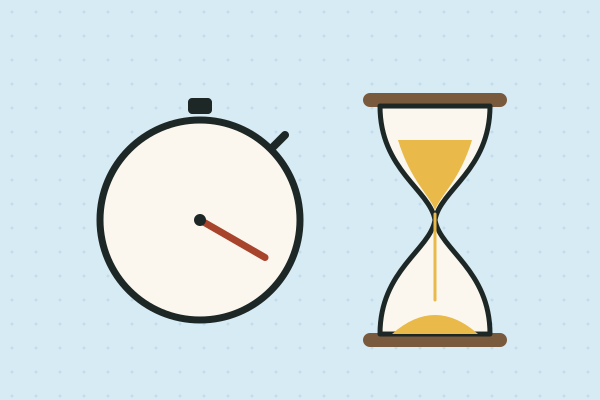 Lesson 2 · 50–60 minHow long is a minute, really?With eyes closed, students raise a hand when they think one minute has passed while a partner times them to the second. The class builds a line plot of its guesses, tries again with a counting strategy, then solves elapsed-time problems taken from its own school day.
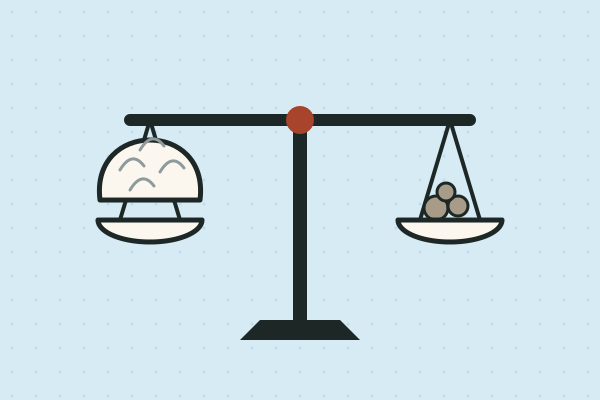 Lesson 3 · 55–60 minWhich weighs more, a kilogram of feathers or a kilogram of rocks?Teams build a coat-hanger balance to compare classroom objects, estimate masses in grams and check them on a kitchen scale, then heft three bags that look very different but may or may not have the same mass. Students explain why size doesn't tell you mass.
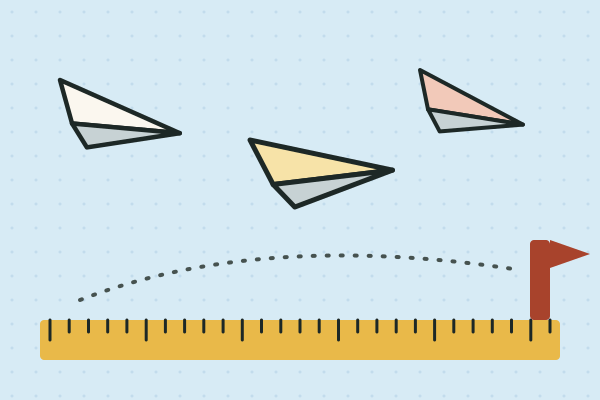 Lesson 4 · 55–60 minCan we design the best paper airplane?Teams fold a classic dart and their own design, fly each one five times from the same line, and measure every flight with a tape measure. Students find the middle value for each design, plot the class results, and use the data to argue which design really flies farther.
Materials for the whole unit · one list, lesson by lesson
Lesson 1: Whose foot is the right ruler?
- Masking tape or painter's tape1 roll
- Metre stick (or a 3 m measuring tape)2 per team, or 1 if you show teams how to mark the end
- 30 cm (12 in) ruler1 per team
- Scrap paper and a pencil for tracing feet1 sheet per student
- Chart paper and sticky dots or a marker for the class line plot1
Free if you have metre sticks; about $20 for 6 metre sticks and a roll of masking tape
Lesson 2: How long is a minute, really?
- Wall clock with a second hand, or a projected online stopwatch1 for the class
- Chart paper and two colours of sticky dots or markers for the line plot1
- Small demonstration clock or a drawn clock face (optional)1
Free with a wall clock or a projected online stopwatch
Lesson 3: Which weighs more, a kilogram of feathers or a kilogram of rocks?
- Digital kitchen scale that reads in grams (1 g steps)1 for the class
- Plastic or wire coat hanger with notches or a hook at each end1 per team
- Paper cups with string or a paper clip handle2 per team
- Dry rice and dry pasta shapes1 kg of each
- Large zip-top bags3
- Classroom objects to compare: glue stick, eraser, pencil, scissors, crayon box, a full water bottle1 set per team
About $25 for a class of 30, mostly a kitchen scale, rice and pasta
Lesson 4: Can we design the best paper airplane?
- Sheets of printer paper, all the same size (letter or A4)4 per team, plus spares
- Measuring tape, 5 m or longer, or metre sticks1 per runway (2 or 3 runways for a class)
- Masking or painter's tape1 roll
- Paper clips (optional, for designs)A few per team
- Chart paper and sticky dots or a marker for the line plot1
About $10 for tape if you have measuring tapes; add about $3 per measuring tape you need
Students start with their own feet. Measuring the same floor in “student feet” gives every team a different answer, which is exactly why the world agreed on metres and centimetres. From there they time a minute with their eyes closed, heft bags that all have the same mass but look nothing alike, and finish by testing paper airplanes over five fair flights each.
By the end of the unit, students can choose a sensible unit and tool, read a ruler, tape measure, clock and scale correctly, show a class data set on a line plot, find the middle value, and back up a claim with “Our data shows… because…”. Most of what you need is already in the room: metre sticks, a clock with a second hand, paper, and one kitchen scale.