Year 4 in England and Wales · Cambridge Primary Stage 4 · IB PYP, ages 8–9
Survival Clues: Fossils, Groups and Changing Habitats
Four no-materials lessons on what helps living things survive: reading fossil cards from Antarctica to the Himalaya to work out what places were like long ago, a predator-and-prey game on why animals live in groups, a camouflage hunt on printed bark and sand, and case files on what happens when a habitat changes. Everything runs on printed sheets.
Or try any 3 lessons free with an account. Prices in US dollars.
Already bought it? Download the whole unit as one printable workbook (66 pages): cover, contents, curriculum connections, every lesson, readings, practice pages, a unit test and an answer key, in black and white. Want to change the wording? Get every student page as one editable Word file.
4 lessons in this unit
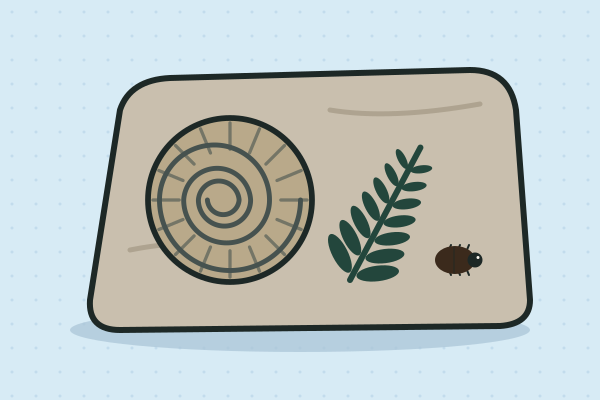
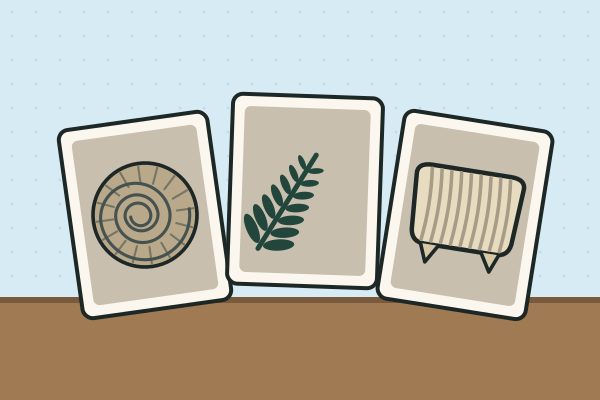 Lesson 1 · 45–60 min · 9 pagesWhat can fossils tell us about long ago?Teams read six fossil cards from six continents, match each fossil to a living relative, and work out what each place was like when the fossil was alive. They find that oceans became mountains and deserts, the Arctic and Antarctica once had forests, and a sea floor was once dry land.
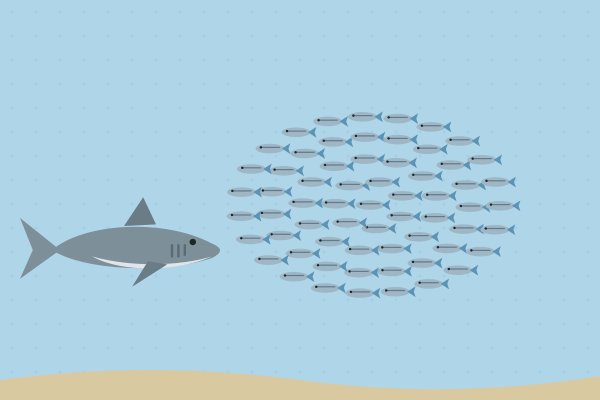 Lesson 2 · 45–60 min · 9 pagesWhy do some animals live in groups?Teams read data cards on wolves, meerkats, sardines, honeybees, emperor penguins and a tiger, then play a predator game to test whether a group spots danger sooner than an animal alone. They argue with evidence how living in a group helps some animals survive, and what it costs them.
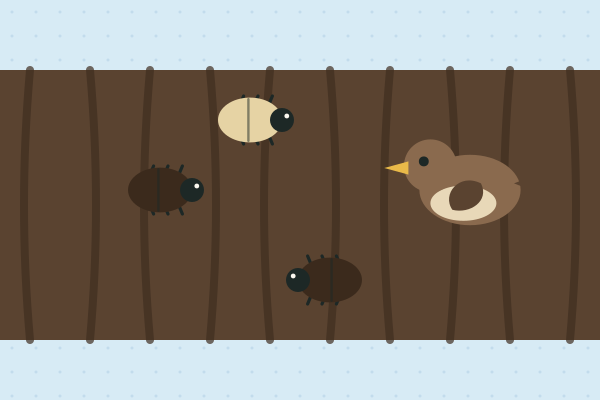 Lesson 3 · 45–60 min · 9 pagesWhy do some animals in a family survive better?Students play hungry birds hunting printed beetles of two colours on dark bark and pale sand, then read cards on thorny plants, thick fur and long-tailed birds. They explain how small differences between animals of the same kind help some survive, find mates and have young.
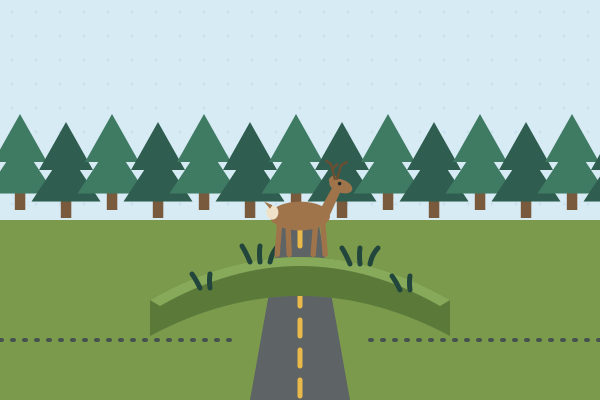 Lesson 4 · 45–60 min · 9 pagesWhat happens when a habitat changes?Teams rotate through four case files (a pond that dries up, a forest cut down, cane toads arriving in Australia and a river that is dammed) and sort who survives, who moves and who dies. Then they judge solutions for a new highway through a forest, using evidence from wildlife bridges in Canada and the Netherlands.
Students read six fossil cards from six continents (fern-like leaves in Antarctica, ammonites high in the Himalaya, whale skeletons in the Sahara, a mummified forest in the Arctic, mammoth teeth from the bottom of the North Sea, dinosaur footprints in the Australian outback) and work out what each place was like long ago. They play a predator-and-prey game to test whether a group spots danger sooner than an animal alone, hunt for printed beetles on bark and sand to see why some members of the same species survive better, and work through case files on a pond that dries up, a forest that is cut down, a new animal that arrives and a river that is dammed.
By the end, students can use fossils as evidence of the plants, animals and environments of long ago; argue with evidence that living in a group helps some animals survive (and say what it costs them); explain how small differences between animals of the same kind, such as colour, thorns, fur or a long tail, can help some survive, find mates and have young; and make a claim about how well a solution, such as a wildlife bridge over a highway, fixes a problem caused when a habitat changes. No materials are needed beyond the printed sheets.