Years 4–7 in England and Wales · Cambridge Primary Stage 4 to Lower Secondary Stage 7 · IB PYP to MYP 1, ages 8–12
Think Like a Scientist: The Scientific Method
The steps of the scientific method, taught as a cycle rather than a recipe. Students sort testable questions, inspect unfair tests and plan a fair one, turn a page of practice data into a mean, a bar graph and a claim, and then walk the whole cycle with a real case: Ignaz Semmelweis and handwashing in 1840s Vienna. Nothing to buy: every lesson runs on printed sheets.
Or try any 3 lessons free with an account. Prices in US dollars.
Already bought it? Download the whole unit as one printable workbook (60 pages): cover, contents, curriculum connections, every lesson, readings, practice pages, a unit test and an answer key, in black and white. Want to change the wording? Get every student page as one editable Word file.
4 lessons in this unit
 Lesson 1 · 45–60 min · 8 pagesWhat makes a good science question?Teams sort sixteen question cards into testable questions, science questions answered another way, and questions science cannot answer, then give four vague wonderings a makeover into questions they could test. They meet the scientific method as a cycle, not a recipe.
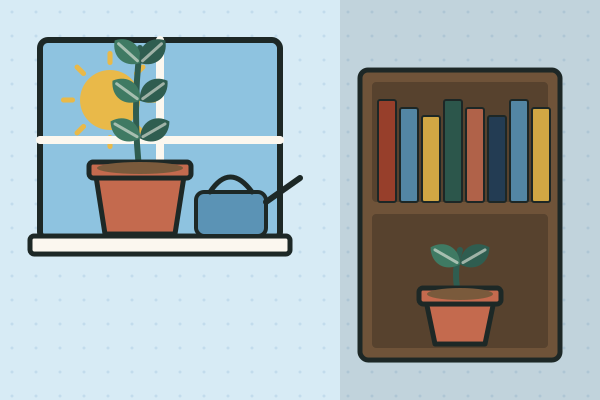 Lesson 2 · 45–60 min · 8 pagesWhat is a fair test?Teams tour eight case cards of real-sounding kid experiments, find what was changed, what was measured and what was not kept the same, and fix each unfair test. Then they plan their own fair test on a printed planner using three kid words for the variables: change, measure, keep the same.
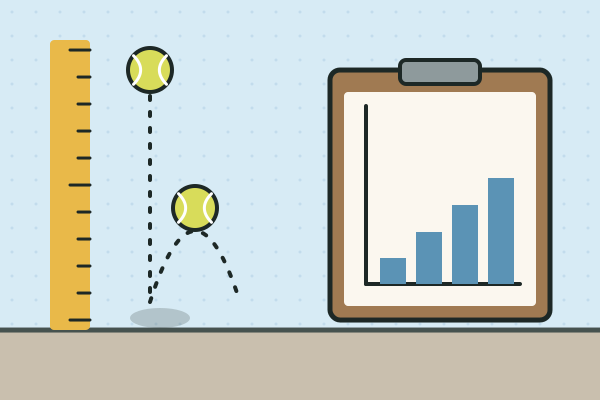 Lesson 3 · 45–60 min · 8 pagesHow do scientists turn results into answers?Teams get a page of practice data from a class's bouncing-ball test, find the trial that went wrong, work out the mean of each set of repeats, draw a bar graph and write a claim with evidence and reasoning. A claim court lets another team judge whether the evidence holds up.
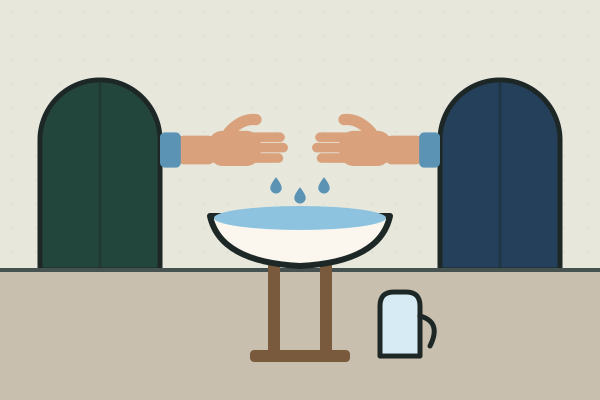 Lesson 4 · 45–60 min · 8 pagesWhat did Ignaz Semmelweis discover?Teams open a case file of eight cards from a real hospital in 1840s Vienna, where far more new mothers fell ill on the doctors' ward than on the midwives' ward. They test the ideas people had, follow the clue that led Ignaz Semmelweis to handwashing, read his real results, and place every card on the scientific method cycle.
Students learn the steps of the scientific method the way scientists really use them: as a cycle that loops back on itself, not a six-step recipe. They sort sixteen question cards into testable and not testable and give vague “wonderings” a makeover, walk a gallery of eight unfair tests and fix each one using three kid words for the variables (change, measure, keep the same), turn a page of practice data from a bouncing-ball experiment into a mean, a bar graph and a claim with evidence and reasoning, and finally follow Ignaz Semmelweis through his real hospital records from 1840s Vienna, where washing hands cut deaths among new mothers to a fraction of what they had been.
By the end, students can tell a testable question from one that is not, name the independent, dependent and controlled variables in a test, explain why scientists repeat trials and take a mean, write a claim backed by evidence and reasoning, and show how a real discovery moved around the cycle, including the wrong ideas that had to be tested and thrown out first. Every lesson needs only the printed sheets.