Years 6–9 in England and Wales · Cambridge Primary Stage 6 to Lower Secondary Stage 9 · IB PYP to MYP 3, ages 10–14
The Reason for the Seasons: Tilt, Daylight and the Solstice
Is summer when Earth is closest to the Sun? Students test the idea with real 2026 orbit distances and city temperatures from both hemispheres, walk a human orbit, graph real solstice day lengths from the Arctic to Tierra del Fuego and work out why a high Sun heats more than a low one. Nothing to buy: just the printed sheets and the room.
Or try any 3 lessons free with an account. Prices in US dollars.
Already bought it? Download the whole unit as one printable workbook (51 pages): cover, contents, curriculum connections, every lesson, readings, practice pages, a unit test and an answer key, in black and white. Want to change the wording? Get every student page as one editable Word file.
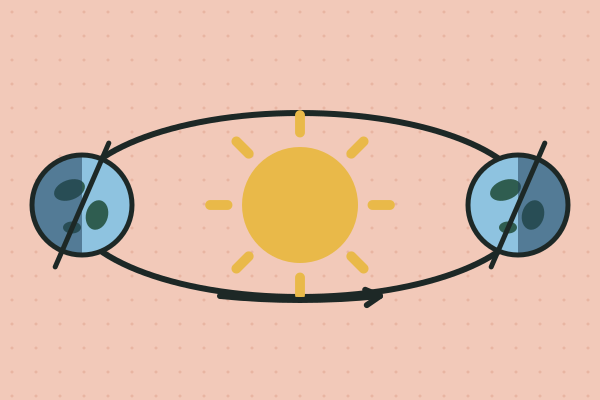
3 lessons in this unit
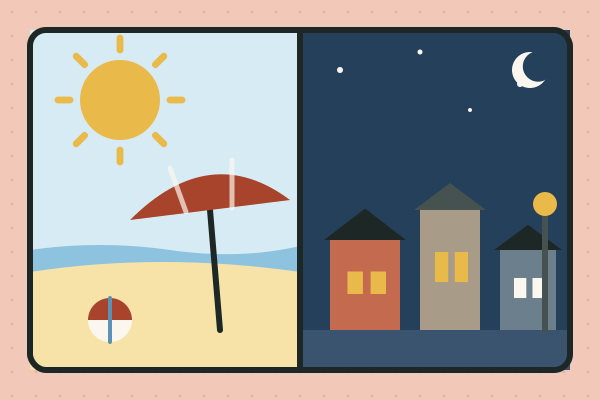 Lesson 1 · 45–60 min · 8 pagesIs summer when Earth is closest to the Sun?Teams test the most popular explanation of the seasons against real 2026 orbit distances and thirty-year temperature averages from five cities in both hemispheres, then walk a human orbit with a tilted Earth. They find that Earth is closest to the Sun in January and explain the seasons with tilt instead.
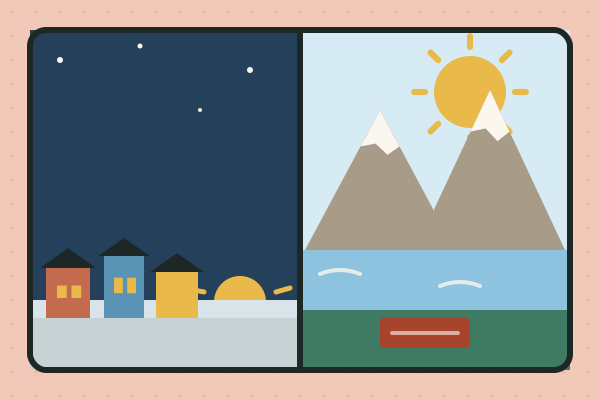 Lesson 2 · 45–60 min · 9 pagesWhy are summer days longer?The class lines up across the room from the Arctic to Tierra del Fuego, each team holding a real city's day lengths for the 2026 equinox and solstices, and acts out how daylight changes. Students graph day length against latitude and explain the long and short days, the steady equator and polar day and night with a tilted Earth.
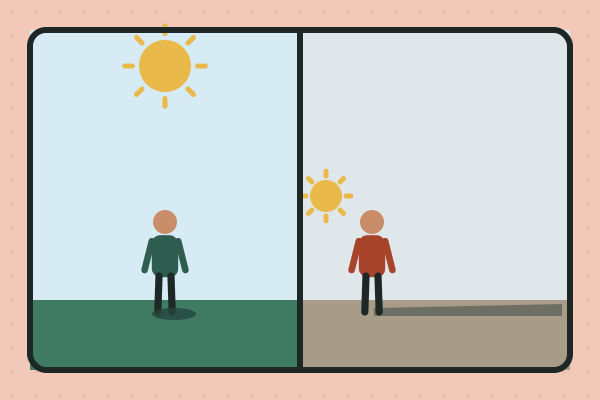 Lesson 3 · 45–60 min · 9 pagesWhy is sunlight stronger in summer?Teams count squares of sunlight under printed beams arriving at different angles, then visit noon-Sun stations and show real solstice Sun heights with their arms. They explain why a high Sun heats more than a low one, what the December solstice means north and south, and why the tropics have wet and dry seasons instead.
Students test the most popular wrong answer in science, that summer comes when Earth is closest to the Sun, against real 2026 orbit distances and thirty-year temperature averages from London, New York, Singapore, Sydney and Buenos Aires. They walk a human orbit with a tilted Earth, line up across the room from Tromsø to Ushuaia to show real solstice day lengths, graph them, and count squares of sunlight under high and low beams to see why the noon Sun’s height matters so much.
By the end, students can explain the seasons with the Earth’s tilt rather than its distance from the Sun; say why the December solstice is the shortest day in the north and the longest in the south; describe polar day and polar night; explain why a high Sun heats the ground more than a low one; and say why places near the equator have wet and dry seasons instead of summer and winter. Every lesson needs only the printed sheets and some floor space, so it works on any continent and in any classroom.