Test It, Choose It: Materials
What is a spoon made of, and why isn't it made of paper? Children sort objects by material, test which materials keep the rain out and which keep the sun off, and choose the right material for a job. Kitchen, stationery and recycling-bin materials, no weather needed.
Or try any 3 lessons free with an account.
Already bought it? Download the whole unit as one printable workbook: cover, contents, curriculum connections, every lesson, readings, practice pages, a unit test and an answer key, in black and white.
3 lessons in this unit
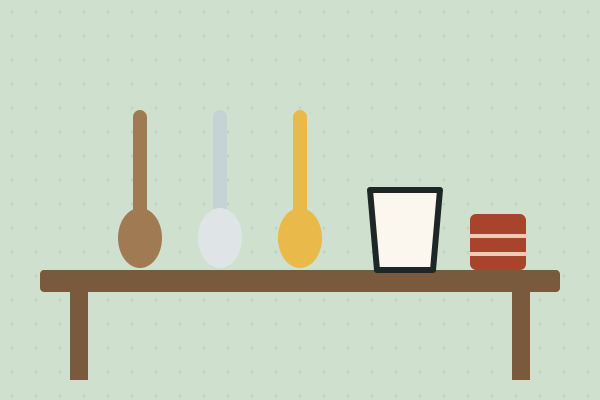 Lesson 1 · 40–50 minWhat is it made of?Children reach into a feely bag, describe what they touch and guess what it is made of, then sort a tray of everyday objects into wood, metal, plastic, glass, paper, fabric, rubber and rock. They learn to tell an object from its material and to describe materials with property words.
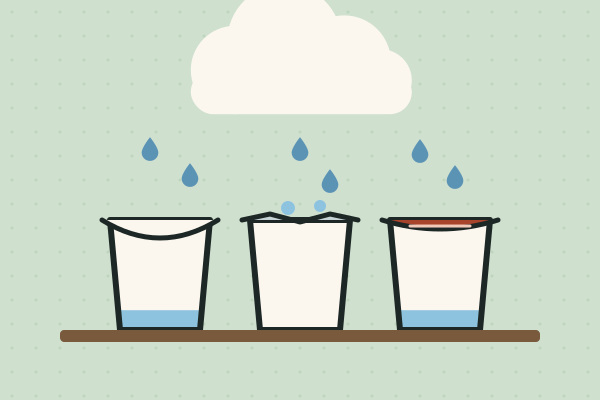 Lesson 2 · 45–55 minWhich material keeps the rain out?Children stretch squares of cloth, paper, foil, plastic and cardboard over cups, drip ten drops of water on each and look inside to see which ones let the water through. Then they choose a material and build a roof that keeps a toy dry.
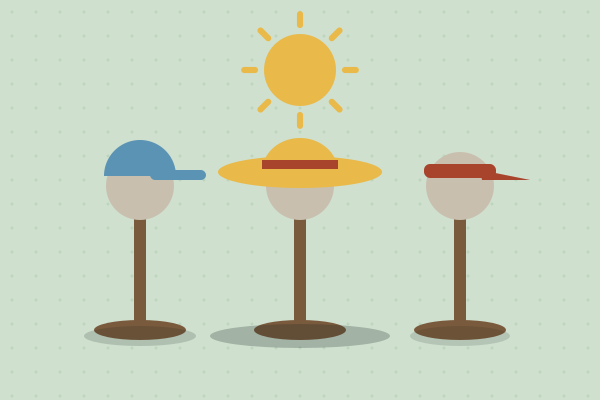 Lesson 3 · 50–60 min, or two 30-minute partsWhich hat keeps the sun off?Children lay dark cloth, light cloth, paper, foil and card in the sun or under a lamp, feel which gets warmest and test which makes the darkest shadow. They also stretch, bend and squash materials to see which spring back. Then they design and build a sun hat and say why they chose each material.
Materials for the whole unit · one list, lesson by lesson
Lesson 1: What is it made of?
- Cloth bag or pillowcase (the feely bag)1 per pair
- Small objects of different materials: wooden block or peg, metal spoon or key, plastic lid or toy, pebble, scrap of cloth, rubber band, cardboard tube, paper, and a jam jar for glassAbout 14 per pair
- Hoops, paper plates or sheets of paper labelled with the eight material names8 per pair
- Pencil (wood, metal, rubber and the black 'lead' inside)1 per pair
- Magnifying glass (optional)1 per pair
About $5 for a class of 30, mostly things already in the room
Lesson 2: Which material keeps the rain out?
- Clear plastic cups5 per pair
- Elastic bands that fit over the cups5 per pair
- Squares of cotton cloth (an old T-shirt), paper towel, kitchen foil, a plastic bag and thin cardboard (a cereal box), each about 10 cm (4 in) across1 of each per pair
- Dropper or pipette (a teaspoon also works)1 per pair
- Water with a drop of food colouringA small cup per pair
- Tray or towel to catch spills1 per pair
- Small cardboard box, a toy, tape and spare squares of material for the roof1 set per pair
About $5 for a class of 30
Lesson 3: Which hat keeps the sun off?
- Squares of black cloth, white cloth, white paper, kitchen foil and card, about 10 cm (4 in) across1 of each per pair
- A sunny spot, or a desk lamp with a bulb that gets warm1 per pair, or share
- Thermometer (optional; a cheap stick thermometer or a point-and-read thermometer)1 per pair or 1 for the class
- Sheet of white paper to catch shadows1 per pair
- Elastic band, sponge, pipe cleaner, sheet of paper, plastic ruler, ball of modelling clay1 set per pair
- Paper, card, foil, string, tape, scissors (hat-making)Enough for each pair to make one hat
- Timer or a clock with a second hand1 for the class
About $8 for a class of 30
Children empty a feely bag and sort what’s inside by what it is made of, then put wood, metal, plastic, glass, paper, fabric, rubber and rock through the same tests: does it bend, does it shine, can you see through it, does it feel cold? Next they stretch squares of cloth, paper, foil and plastic over cups and drip water on each one to find which keeps the rain out, and lay dark cloth, light cloth, paper and foil in the sun or under a lamp to find which keeps a head cool.
By the end, children can name the material an object is made of, describe it with property words, run a fair test on two materials, and choose a material for a job (a roof, a hat) with a reason: “I chose foil because the water ran off it.”