Fair Test Planner
Plan an experiment step by step: question, variables to change, measure and keep the same, prediction and method. Prints as a one-page plan.
How to use it
Work down the form with your group. The plan on the right (below on a phone) fills in as you type, and the Check your plan box points out anything that would make the test unfair or hard to repeat. Load an example to see a finished plan first. Press Print the plan for a one-page sheet with an empty results table ready for your measurements. Your draft is saved on this device.
What makes a test fair
A fair test changes one thing on purpose (the independent variable), measures one result (the dependent variable), and keeps everything else the same (the controlled variables). If two things change at once, like the ramp height and the car, you cannot tell which one made the difference.
A good prediction says what you think will happen and why: "If… then… because…". It does not have to be right. Repeating each test (usually three times) and taking the average makes the results more reliable, because small slips in measuring tend to even out.
- Which controlled variable would be easiest to forget? What would happen if you did?
- How would someone in another class repeat your test exactly? Are your steps clear enough?
Free to use, no account needed. It runs in your browser: nothing you type, and no sound from your microphone, is sent to Fieldbook.
Hands-on lessons to pair with Fair Test Planner
Ready-to-teach units, each lesson a printable teacher guide and student sheet. Your first three lessons are free.
Test the Claim: Science Facts, Myths and AI Answers
Sayings, ads, forum posts and AI chatbot answers all sound sure of themselves. Students put popular claims to a real hands-on test, grade the answers, and learn how to decide which sources deserve their trust.
Evidence Lab
How do you know something is true? Students test a claim with their own measurements, find out why one result is never enough, and learn to tell strong evidence from weak.
Data Detectives
How fast are our reflexes? Which graph is telling the truth? Do taller people really have bigger hands? Three lessons where students collect their own measurements and find out what numbers can and can't tell you.
Three full lessons, free
Make a free account and download any three Fieldbook lessons, from any grade or subject, as printable PDFs. No card needed.
More free classroom tools
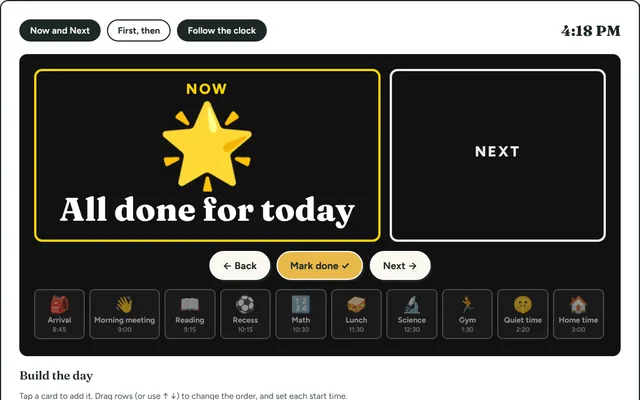
Visual Schedule
Build the day's schedule with picture cards and show Now and Next on the board. Helps every student, and especially those who need predictability.
Calm Breathing
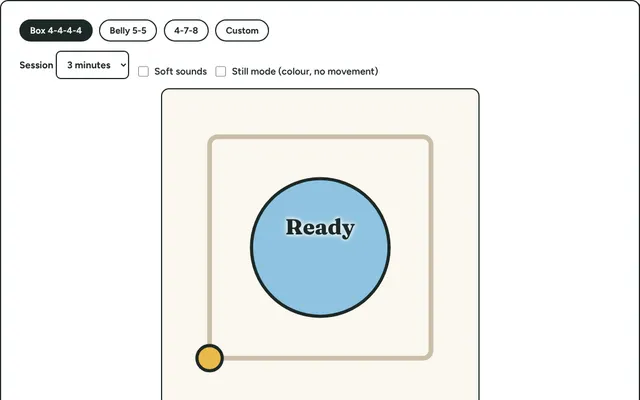
A breathing guide for the projector: a shape grows and shrinks to pace box, belly or 4-7-8 breathing, with gentle counting and optional sound.
Field Watch
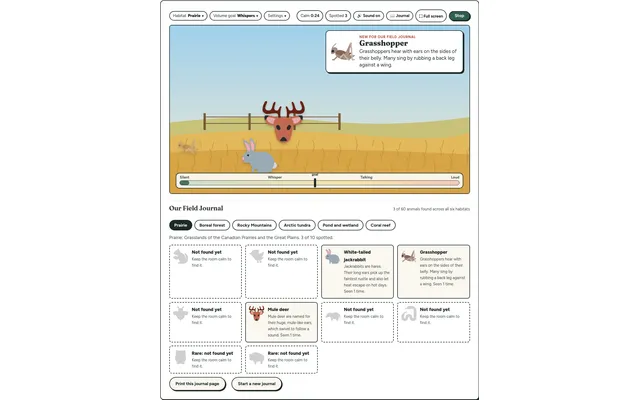
A quiet-room wildlife game for the projector. Keep the room calm and animals visit six real habitats, each with a fact to learn. Every animal spotted goes into your class Field Journal.
Lesson Timer
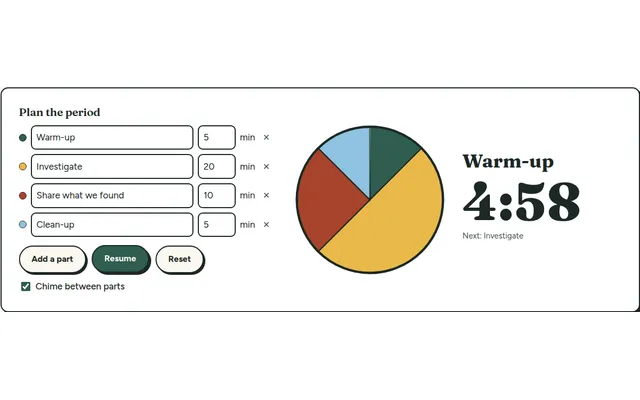
A big pie timer that splits a class period into named parts (warm-up, investigate, clean-up) so everyone can see what's next and how long is left.
Class Graph Maker
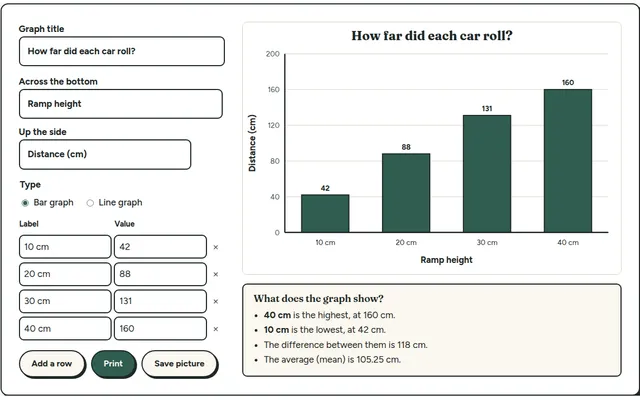
Type in your class's results and get a clean bar or line graph to project or print. Built for the data step of every Fieldbook investigation.
Team Maker
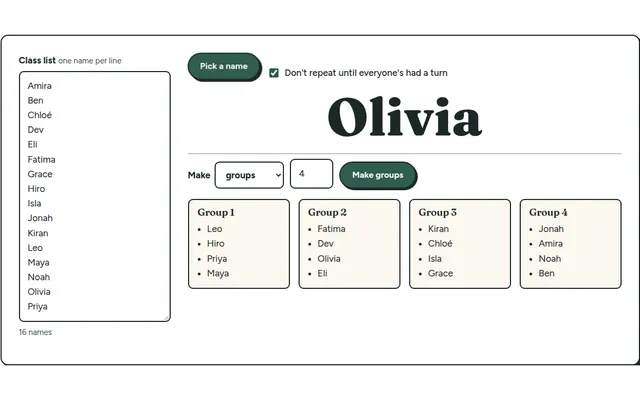
Paste your class list once, then pick a random name or split the class into balanced lab groups in one click.