Measurement Converter
Convert length, mass, volume, temperature and time between metric and imperial units, with the working shown and a sense-of-size picture for each.
Working
Sense of size
How to use it
Pick what you're measuring, type an amount, and choose the units. The tool shows the answer, the working (what to multiply or divide by, or the temperature formula), and a sense-of-size comparison with something familiar. In Quiz, practise exact conversions within a system or quick estimates between metric and imperial.
How conversions work
Within the metric system every step is a power of ten: 1 km = 1000 m, 1 m = 100 cm, 1 kg = 1000 g, 1 L = 1000 mL. Converting to a smaller unit means you need more of them, so you multiply; converting to a bigger unit means you divide. Area units square the step: 1 m = 100 cm, so 1 m² = 100 × 100 = 10 000 cm².
Imperial units are now defined exactly in metric: 1 inch is exactly 2.54 cm, 1 pound is exactly 0.453 592 37 kg, and 1 US gallon is exactly 3.785 411 784 L. The volume units here (teaspoon, cup, quart, gallon) are US measures, the ones in most recipes; the older imperial gallon is about 20% bigger. A "year" here is 365 days; a leap year has 366. Temperature is different: the scales start at different zeros, so you can't just multiply. °F = °C × 9 ÷ 5 + 32, and kelvins are degrees Celsius plus 273.15.
- Before converting, ask: "Will the number get bigger or smaller?"
- Estimate first with benchmarks: 1 inch is about 2.5 cm, 1 kg is about 2.2 lb, 1 mile is about 1.6 km.
- Why does 0 °C equal 32 °F but 10 °C equal 50 °F, not 64 °F?
Free to use, no account needed. It runs in your browser: nothing you type, and no sound from your microphone, is sent to Fieldbook.
Hands-on lessons to pair with Measurement Converter
Ready-to-teach units, each lesson a printable teacher guide and student sheet. Your first three lessons are free.
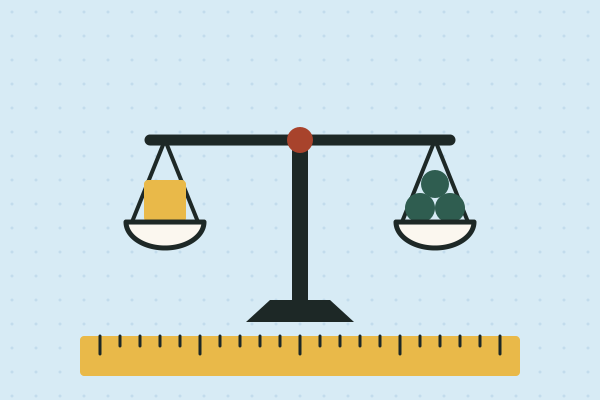
Measure It: Length, Time and Mass in the Real World
Whose foot is the right ruler? How long is a minute, really? Is a kilogram of feathers lighter than a kilogram of rocks? Four lessons where students measure length, time and mass with real tools, then use their own data to settle an argument.
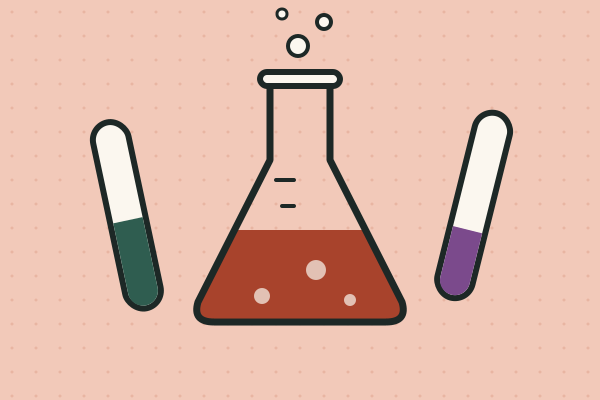
Kitchen Chemistry
Fizzing, curdling and colour changes with things from the grocery store. Students gather evidence of new substances, weigh a reaction in a sealed bottle, and turn red cabbage into an acid detector.
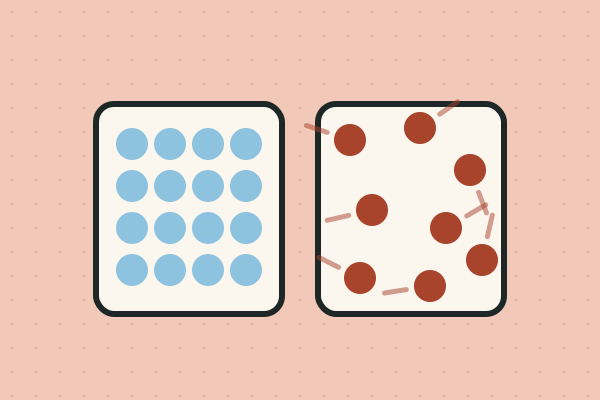
Hot and Cold: Particles on the Move
Why tires go soft in winter, why sidewalks have gaps, and how a thermometer knows. Five lessons on what heating and cooling do to the particles in everything around us.
Three full lessons, free
Make a free account and download any three Fieldbook lessons, from any grade or subject, as printable PDFs. No card needed.
More free classroom tools
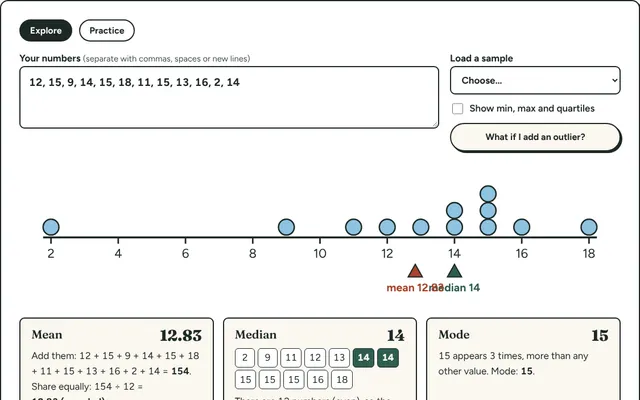
Mean, Median and Mode
Type in a set of numbers and see the mean, median, mode and range worked out step by step, with a dot plot that shows where each one sits.
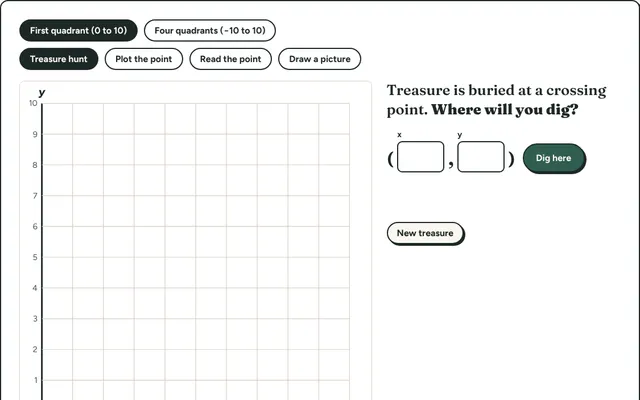
Coordinate Hunt
Find hidden treasure by plotting and reading points on a coordinate grid. First quadrant for beginners, all four quadrants for grade 6 and up.
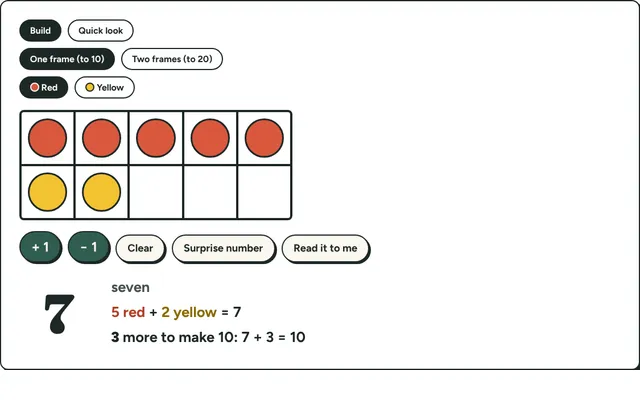
Ten Frames
Fill ten frames with counters to show numbers to 20, make ten and practise quick looks. Early number sense for kindergarten to grade 2.
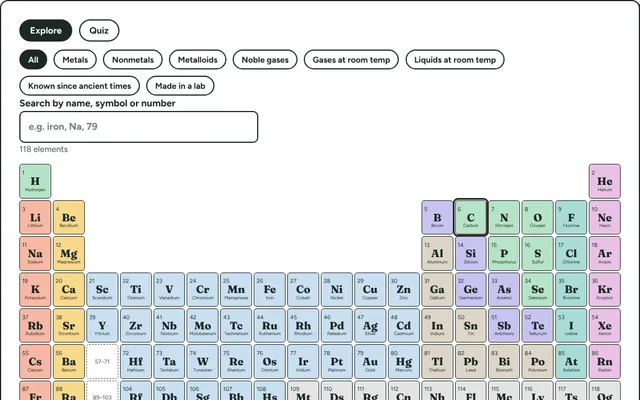
Periodic Table Explorer
All 118 elements, coloured by family. Click one for its atomic number, mass, state, discovery and an everyday use, or highlight metals, gases and more.
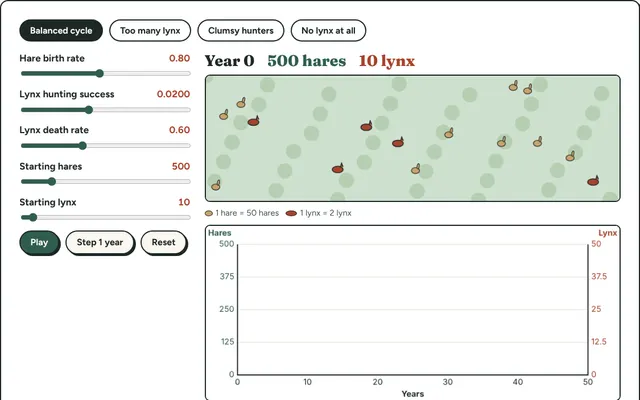
Predator and Prey
Run a simulated meadow of hares and lynx. Change birth and hunting rates and watch the two populations rise and fall on a live graph.
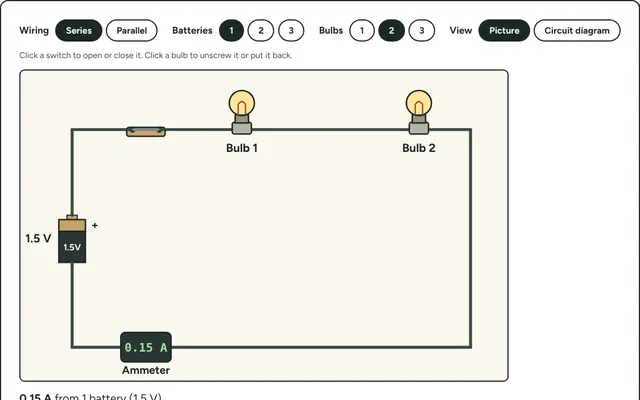
Circuit Lab
Wire batteries and bulbs in series or parallel, flip switches and see which bulbs light, how bright, and how much current flows.