Feelings Check-In
Students pick how they feel from a colour-coded chart of feelings, then choose a calming or energising strategy that fits. Tally the class mood without names.
How are you feeling today?
Calm and ready
I feel good and ready to learn.
Low and slow
Sad, tired or low on energy.
Wobbly
Worried, wiggly or frustrated.
Big feelings
Angry, scared or very upset.
Feelings Check-In · free from Fieldbook Learning
How to use it
The feelings chart is ready as soon as the page opens. A student taps the face that matches how they feel. The feelings are grouped into four colour families: calm and ready, low and slow (sad or tired), wobbly (worried, wiggly or frustrated) and big feelings (angry, scared or very upset). After choosing, the student sees a kind reply, can rate how big the feeling is from 1 to 5, and picks one of three or four strategies that suit that family, such as deep breaths, a drink of water, a stretch or talking to a grown-up. Each strategy has a short timer of 30 seconds to 3 minutes. Deep breaths links to our Breathing Pacer.
Choose Class tally for a quick whole-class check-in. Students come up one at a time and tap a face; the screen just says thanks, so the next student cannot see what was chosen. The board keeps only a count for each colour family, with no names, and the counts are hidden from the class until you tick Show counts. Counts are kept on this device for today only and clear the next day, or straight away with Clear. Turn on Read words aloud for early or emerging readers (it is not used in tally mode), use Larger text on a small screen, or print the emotion chart for a wall or desk.
Why naming feelings helps
Being able to notice a feeling and put a word to it is a core part of emotional literacy. Children who have words for how they feel can more easily ask for what they need, and naming a feeling is often the first step in managing it. A regular "how are you feeling today" check-in builds that vocabulary and makes it normal to talk about feelings.
Every feeling is OK, including the uncomfortable ones. The colour families are not good or bad groups; they are a way of noticing how much energy a feeling has and what might help. What matters is what we do with a feeling, not having it. A tool like this does not diagnose anything and is not a replacement for knowing your students.
- Keep check-ins short and routine: the start of the day, after recess or before a test.
- Model it yourself: "I'm feeling a bit tired today, so I'm going to get some water."
- Never make a student share out loud, and let "I'd rather not say" be fine.
- If a student often picks big feelings, seems withdrawn, or says something that worries you, follow up privately and gently, and follow your school's procedures for wellbeing or safety concerns.
- Ask: "What does worried feel like in your body?" or "What helped last time you felt frustrated?"
Free to use, no account needed. It runs in your browser: nothing you type, and no sound from your microphone, is sent to Fieldbook.
Hands-on lessons to pair with Feelings Check-In
Ready-to-teach units, each lesson a printable teacher guide and student sheet. Your first three lessons are free.

How Your Body Works
Why your heart races when you run, what happens to your lunch, how your arm bends and where germs hide. Students take their own pulse, build a model gut and a card elbow, and run a handwashing fair test with glitter 'germs'. Everyday materials, no winter, works in any country.
Your Senses: How Does Your Body Know?
Map the most sensitive spots on your skin, find the blind spot in each eye, lose the flavour of a jelly bean by pinching your nose, and build an owl ear. Four lessons on how senses gather information and the brain makes sense of it.
Three full lessons, free
Make a free account and download any three Fieldbook lessons, from any grade or subject, as printable PDFs. No card needed.
More free classroom tools
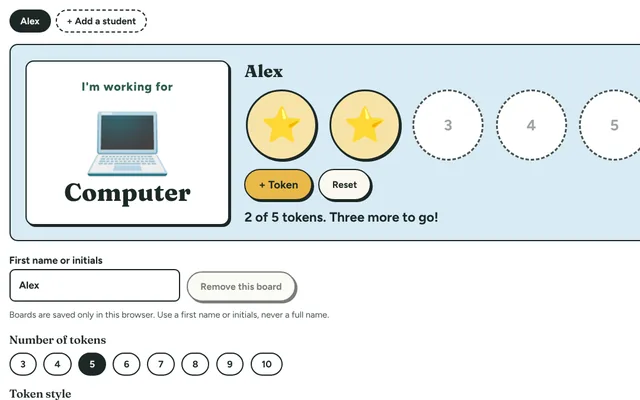
Token Board
A reward chart for the board or a tablet: choose a reward, then add a star or token for each step until the board is full and the reward is earned.
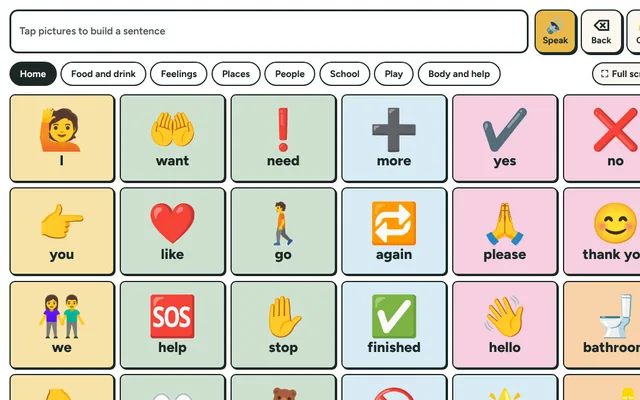
Picture Talk Board
Tap picture buttons to say words and short sentences out loud. A simple communication board for students who are non-speaking, new to English or need support.
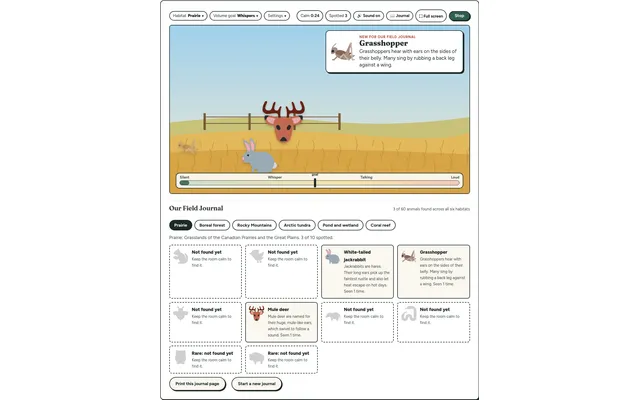
Field Watch
A quiet-room wildlife game for the projector. Keep the room calm and animals visit six real habitats, each with a fact to learn. Every animal spotted goes into your class Field Journal.
Lesson Timer
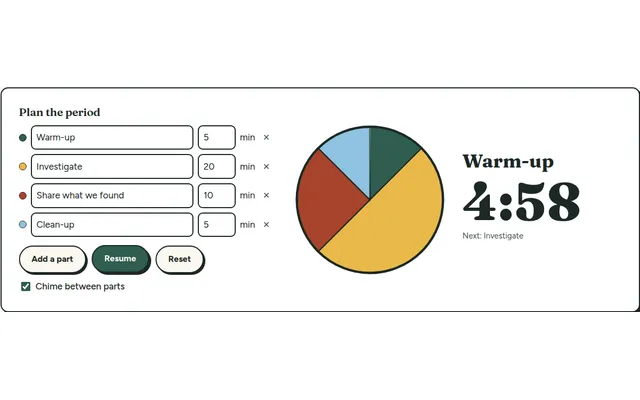
A big pie timer that splits a class period into named parts (warm-up, investigate, clean-up) so everyone can see what's next and how long is left.
Countdown Timer
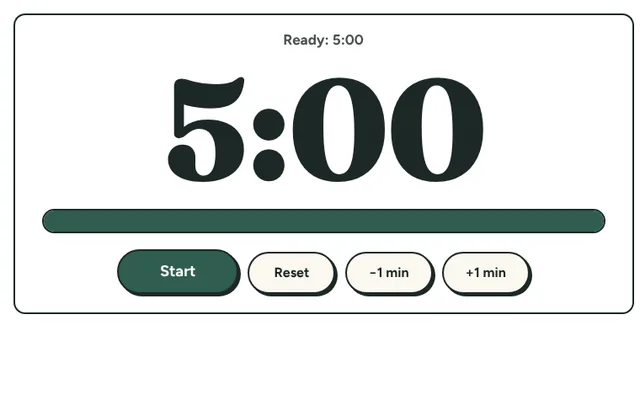
A big, clear countdown timer for the board. One tap for 1, 2, 5 or 10 minutes, or set your own, with a gentle chime at zero and a bar that empties as time runs out.
Corner Store
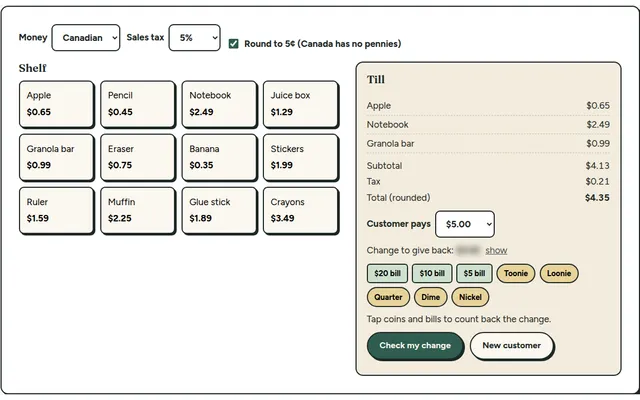
Ring up a pretend purchase, add sales tax and count back the change. Money practice with Canadian or US coins and bills.