Punnett Squares
Cross two parents and see every possible offspring, with the ratios of genotypes and traits, plus a breeding simulator to test the prediction.
How to use it
Pick a trait and each parent's genotype (the pair of gene versions it carries). The square shows every way the parents' egg and pollen (or egg and sperm) cells can combine, and the ratios underneath sum it up. Breed 100 offspring picks gametes at random, like real fertilisation, so the counts wobble around the prediction. In Two traits you follow seed shape and seed colour together, as Mendel did. Practice asks questions and shows the square after each answer.
Genes, alleles and the Punnett square
Each of these pea-plant traits is controlled by one gene, and each plant carries two copies of it, one from each parent. Different versions of a gene are called alleles. A capital letter is the dominant allele and a small letter the recessive one. A plant with one of each (heterozygous, like Pp) shows the dominant trait. Only a plant with two recessive alleles (homozygous, like pp) shows the recessive trait. Dominant does not mean better or more common; it only means one copy is enough to show.
Each parent passes on one allele per gene, chosen at random, so each box in the square is equally likely. Crossing two Pp plants gives 1 PP : 2 Pp : 1 pp, which is 3 purple : 1 white. Real results only match this closely with large numbers, which is what Mendel found by counting thousands of peas. Many human traits (eye colour, height, even tongue rolling) are controlled by many genes, so they do not follow these simple ratios.
- Ask: two purple plants have a white offspring. What must both parents be?
- Try: breed 100 several times. How far from 75 does the purple count wander?
Free to use, no account needed. It runs in your browser: nothing you type, and no sound from your microphone, is sent to Fieldbook.
Hands-on lessons to pair with Punnett Squares
Ready-to-teach units, each lesson a printable teacher guide and student sheet. Your first three lessons are free.
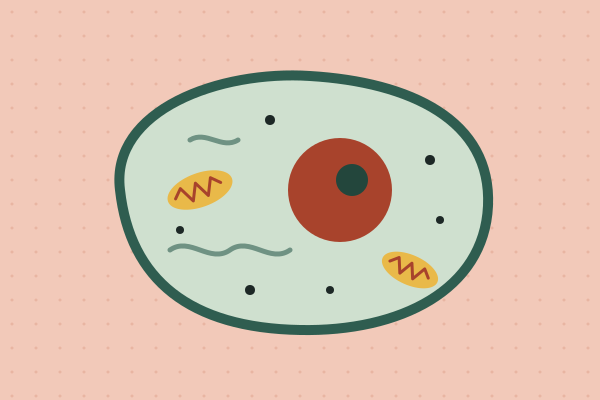
Cells: The Smallest Living Things
How small is a cell, how does water get in, what's inside, and why are cells so tiny? Four lessons with potatoes, strawberries and gelatin that work with a microscope or without one.
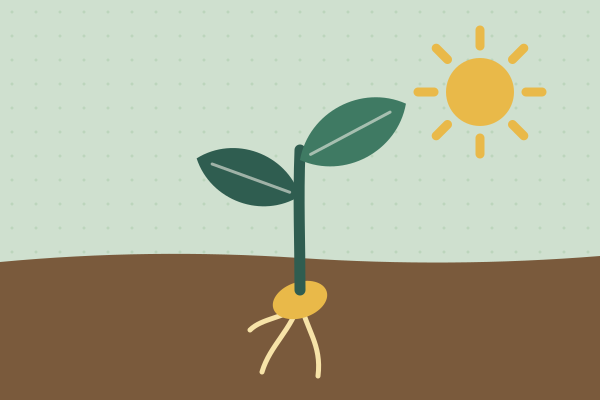
Plants and Seeds: What Does a Seed Need?
What's hiding inside a bean, and what does it need to wake up and grow? Young scientists open soaked seeds, sprout beans in bags and watch seedlings bend to find the light.
Our Living Planet
Air, water, land and living things, and how each one depends on the others. Students build a sealed jar ecosystem to keep for a month and catch the water cycle in a bag on the window.
Three full lessons, free
Make a free account and download any three Fieldbook lessons, from any grade or subject, as printable PDFs. No card needed.
More free classroom tools
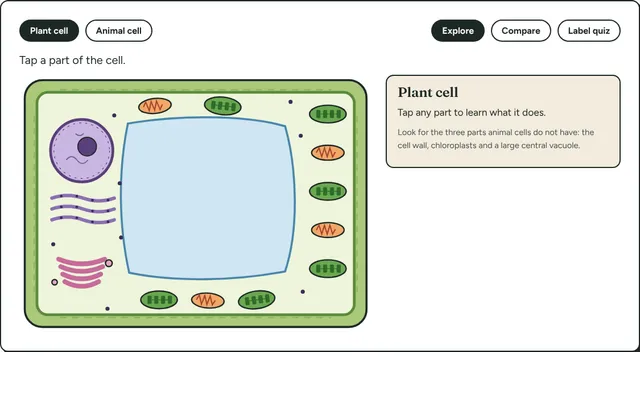
Cell Explorer
Tap the parts of a plant cell and an animal cell to learn what each one does, then compare the two and quiz yourself.
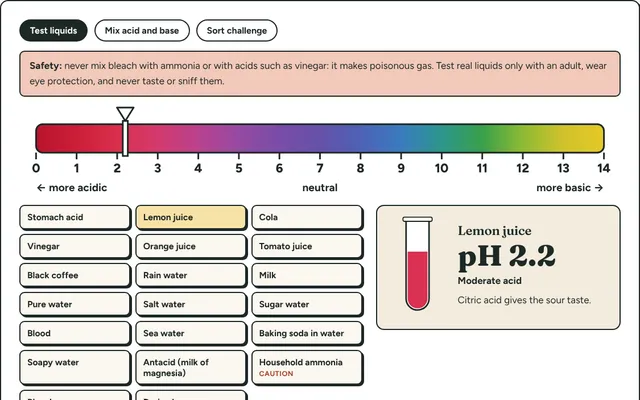
pH Scale Explorer
Test household liquids on a pH scale with a cabbage-juice indicator colour, from lemon juice to bleach, and mix acids and bases to see neutralisation.
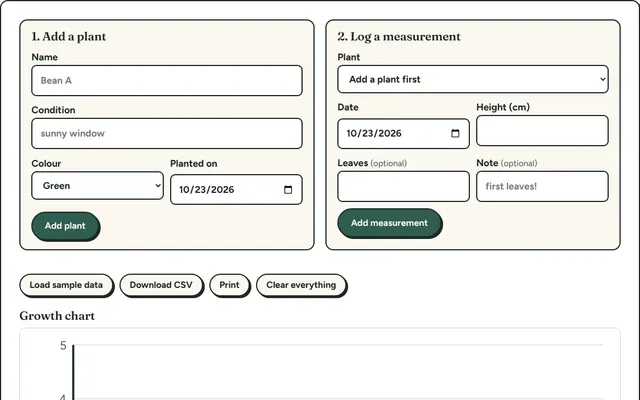
Plant Growth Journal
Log your class plants' height every few days and get a growth chart that compares plants or conditions. Saved on your device, ready to print.
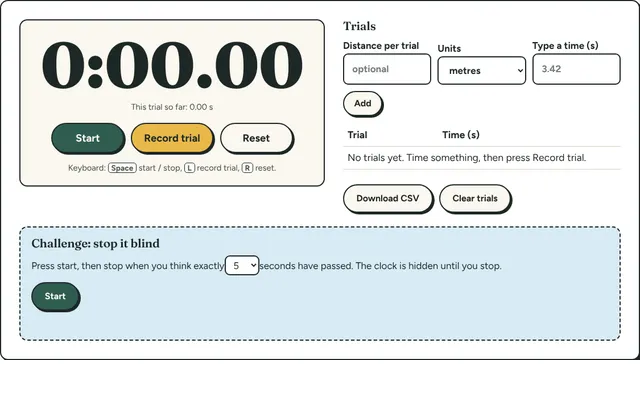
Lab Stopwatch
A big stopwatch with lap times for experiments: time several trials, see the average and spread, and download the results.
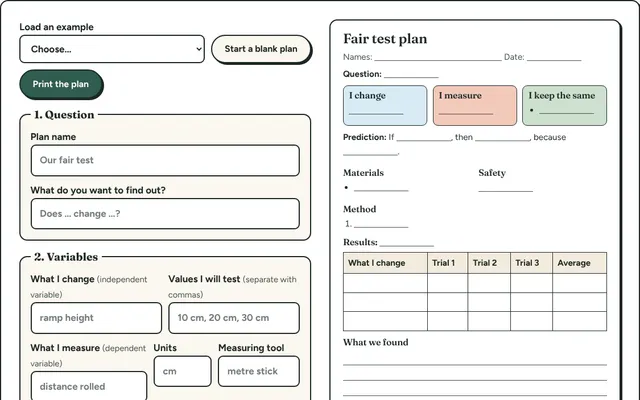
Fair Test Planner
Plan an experiment step by step: question, variables to change, measure and keep the same, prediction and method. Prints as a one-page plan.
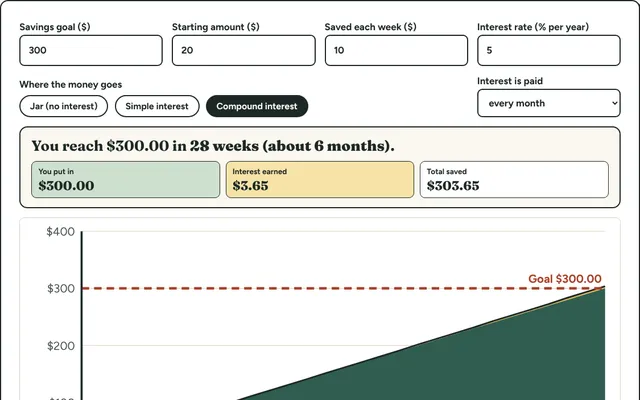
Savings Planner
Set a savings goal and see how long it takes, week by week. Compare saving in a jar with earning simple or compound interest.